

Small form factors, flexible interfaces and good optical performance are important for many applications. For UAV it’s also a benefit if a camera system has antivibration features. With our AIVION Interface products, we do support various cameras that are used in UAV systems.
One important topic that needs to be considered is system latency. A video with a long latency can cause serious issues if the flight directives are depending on the video content. For that reason, we are also recommending systems that are using uncompressed video systems. That requires a significant computing performance and an interface with high data bandwidth.
Choosing the right camera depends on the needed specification. There are cameras with very good antivibration capabilities, cameras with excellent sensor resolutions and cameras with very good low light performances. Sometimes those needs are hard to combine.
Small camera blocks are usually light, sometimes they have mechanical anti-vibration features that are excellent. The disadvantage of a very small form factor can be the low light performance of the lens. Larger cameras with larger sensors might have a better low light performance but they are bigger and heavier.
Related Camera Products
Price on request

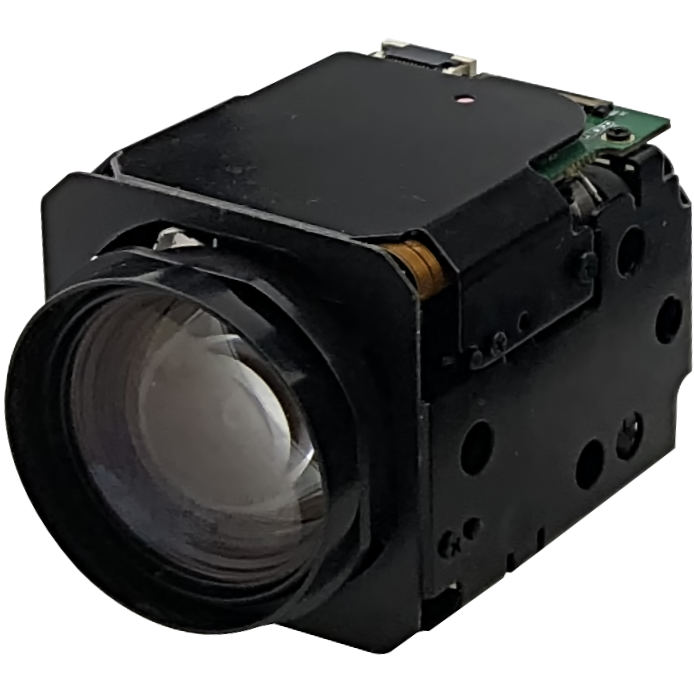
Video output: LVDS
Size: 56.0 × 64.0 × 125 mm
Weight: approx. 456 g
Sensor: 1/1.8" STARVIS CMOS, rolling shutter (approx. 4.17 MP)
Max. Resolution: 1080p @ 60 fps
Price on request


Video Output: LVDS
Size: 31.9 x 41.5 x 58.4 mm
Weight: approx. 77 g
Sensor: 1/3" CMOS (rolling shutter)
Max. Resolution: 1920×1080 @ 60p
Price on request
Related Products
Price on request
Price on request

Price on request

Price on request
Price on request
Video output: LVDS
Size: 56.0 × 64.0 × 125 mm
Weight: approx. 456 g
Sensor: 1/1.8" STARVIS CMOS, rolling shutter (approx. 4.17 MP)
Max. Resolution: 1080p @ 60 fps
Price on request
Video Output: LVDS
Size: 31.9 x 41.5 x 58.4 mm
Weight: approx. 77 g
Sensor: 1/3" CMOS (rolling shutter)
Max. Resolution: 1920×1080 @ 60p
Price on request